
Bambu Lab A1

Bambu Lab A1
Learn everything about the Bambu Lab A1 3D printer, including features, specs, AMS Lite, reviews, software, downloads and setup guides.
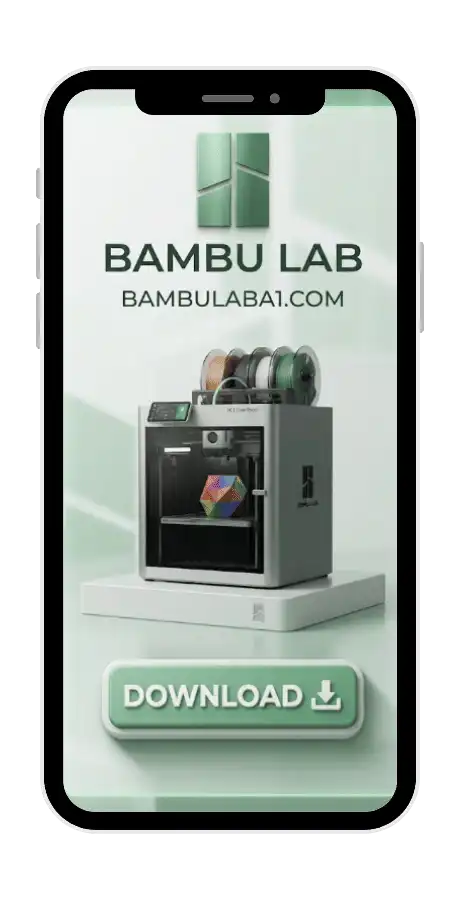
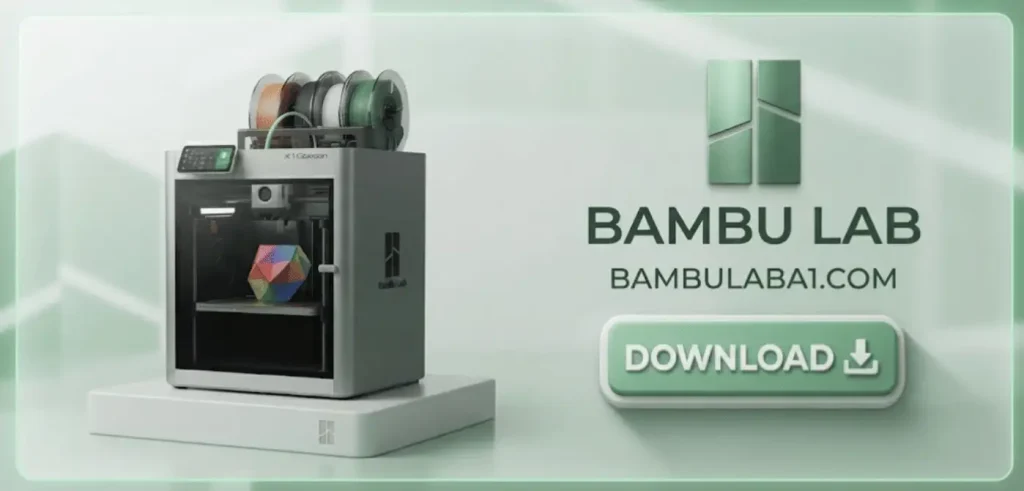
Bambu Lab A1 3D Printer
The Bambu Lab A1 3D printer brings fast, reliable, and smart 3D printing to beginners, hobbyists, educators, and professionals. It combines automated features with high-quality printing performance, making it easier for users to create models without complex setup processes.
Many users choose the this app because it reduces the challenges often found in traditional 3D printers. Automatic calibration, intelligent monitoring, and simple controls help users start printing quickly.
This app series includes different options for different needs. The standard Bambu Lab A1 offers a larger printing area, while the Bambu Lab A1 Mini provides a compact solution for smaller projects. Users who want multi-color printing can choose the Combo with AMS Lite.
This complete guide covers features, specifications, reviews, accessories, software, downloads, maintenance, and buying information.
Bambu Lab A1 App Information
| App Information | Details |
|---|---|
| App Name | Bambu Handy |
| Developer | Bambu Lab |
| Version | 4.1.2 |
| File Size | 161 Mb |
| Available On | Android and iOS |
| Connection | Wi-Fi and Bambu Cloud |
| Desktop Software | Bambu Studio |
| Last Updated | 1 hour ago |
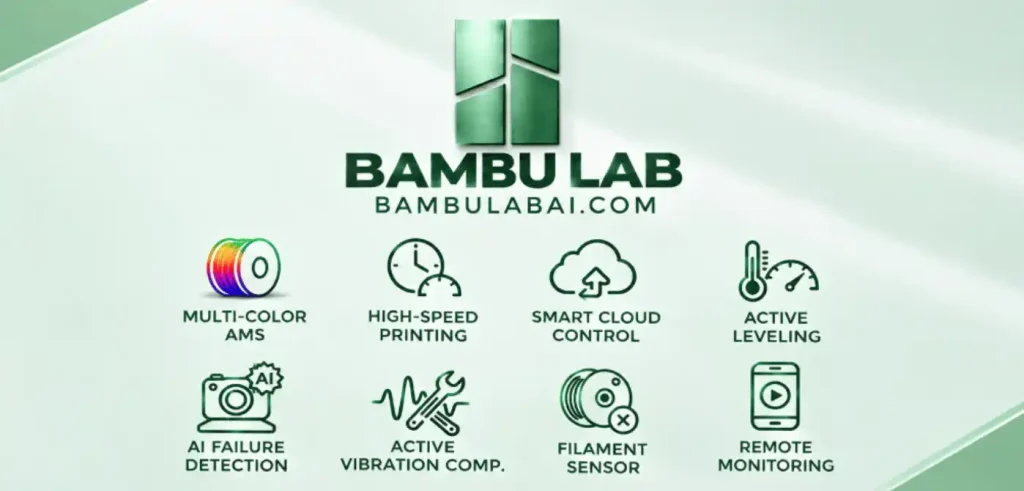
Bambu Lab A1 Features
Fast Printing
Delivers high-speed printing with accurate and reliable model results.
Auto Calibration
Automatically adjusts settings for better print quality and consistency.
Smart Control
Allows remote printer management through mobile app connectivity.
Large Volume
Provides enough space for creating detailed and larger 3D models.
Multi Color
Enables colorful designs using automatic filament switching technology.
Flow Control
Maintains smooth filament flow for consistent and efficient printing performance.
What Is Bambu Lab A1?
The Bambu Lab A1 is a desktop FDM 3D printer developed for users who want fast and reliable manufacturing at home, in classrooms, studios, or small businesses. It belongs to the A1 series from Bambu Lab and focuses on making 3D printing easier through automation and intelligent technology.
Unlike older generation printers that often require manual bed leveling, complex adjustments, and frequent calibration, this model includes automated systems that simplify the entire printing process.
The printer uses advanced motion control technology to deliver smooth movements and accurate results. Its compact design makes it practical for users who have limited workspace but still want the ability to create detailed physical objects.
The machine is suitable for many types of users, including:
Beginners Exploring 3D Printing
New users often struggle with calibration, material settings, and print failures. The automated workflow helps reduce these challenges and allows beginners to start creating models quickly.
Hobbyists and DIY Creators
Makers can use this machine for personal projects such as custom tools, decorations, miniatures, replacement parts, and creative designs.
Students and Educational Users
Schools and learning environments can use desktop 3D printers for STEM activities, engineering demonstrations, and creative learning projects.
Designers and Small Businesses
Professionals can use the printer for rapid prototyping, product testing, and producing small custom items before moving into larger manufacturing processes.
Why Choose Bambu Lab A1?
Choosing a 3D printer depends on factors such as reliability, speed, ease of use, and print quality. The A1 series focuses on removing unnecessary complexity while providing advanced features normally found in higher-end machines.
Easy Setup and Automated Calibration
One of the biggest advantages is the automated calibration system. Users do not need to manually adjust multiple settings before every print.
The machine automatically manages important calibration tasks, helping improve:
- First-layer consistency
- Print reliability
- Overall quality
- User experience
This feature is especially helpful for beginners who want successful prints without spending hours learning technical adjustments.
Fast and Efficient Printing
Speed is an important factor for creators who produce multiple models or prototypes. The printer is designed to deliver fast performance while maintaining accurate results.
High-speed printing helps users complete:
- Product prototypes
- Functional components
- Creative models
- Educational projects
in less time compared with many traditional desktop printers.
Smart Printing Ecosystem
The printer works with the wider Bambu ecosystem, including mobile applications and desktop software. These tools help users prepare models, control printing tasks, and monitor progress.
This connected workflow creates a smoother experience from downloading a design to completing the final print.
Reliable Performance for Daily Use
A good desktop printer should provide consistent results without requiring constant adjustments. The A1 focuses on reliability through automated systems, intelligent monitoring, and optimized hardware.
This makes it suitable for regular printing sessions at home, offices, workshops, and educational environments.
Key Features of Bambu Lab A1
The machine includes several features that improve usability and printing performance.
Automatic Bed Leveling
A properly calibrated print surface is essential for achieving successful results. Automatic leveling helps create a stable foundation for each project.
A good first layer improves:
- Model adhesion
- Print accuracy
- Surface appearance
- Overall success rate
This feature reduces one of the most common problems faced by new 3D printer users.
Intelligent Flow Control
Consistent filament flow is important for producing accurate models. The printer uses advanced extrusion management to maintain smoother material delivery.
Benefits include:
- Better surface quality
- More consistent layers
- Improved dimensional accuracy
This is particularly useful when creating detailed objects or functional parts.
Quick Nozzle Replacement
Different projects may require different nozzle sizes. A smaller nozzle can improve detail, while a larger nozzle can increase printing speed.
Common options include:
0.2 mm Nozzle
A fine nozzle is useful for:
- Miniatures
- Detailed artwork
- Small components
- Models requiring precision
Standard Nozzle
A standard nozzle provides a balanced experience for everyday printing, offering a combination of speed and quality.
Filament Monitoring System
The machine includes smart detection features that help monitor material usage during printing.
This helps reduce problems caused by:
- Running out of filament
- Incorrect loading
- Material interruptions
Touchscreen Control
The integrated display allows users to manage printing tasks easily.
Users can:
- Start projects
- Adjust settings
- Monitor progress
- Access printer information
The simple interface makes operation easier for beginners.
Bambu Lab A1 Specifications
Understanding technical specifications helps buyers determine whether a printer matches their needs.
Technical Specifications Table
| Feature | Details |
|---|---|
| Printer Type | FDM Desktop 3D Printer |
| Build Volume | 256 × 256 × 256 mm |
| Printing Speed | Up to 500 mm/s |
| Nozzle Temperature | Up to 300°C |
| Filament Size | 1.75 mm |
| Connectivity | WiFi |
| Control System | Touchscreen and Mobile App |
| Multi-Color Printing | Supported with AMS Lite |
| Build Plate | PEI Compatible |
Printing Area and Build Size
The available build space allows users to create medium-sized models without requiring a large industrial machine.
The printing area is suitable for:
- Household items
- Prototypes
- Decorative objects
- Engineering models
- Creative projects
Users searching for dimensions and size information usually want to know whether the printer will fit their workspace and support their desired projects.
Speed and Performance Specifications
The high-speed system allows creators to produce models efficiently while maintaining quality. Actual printing speed depends on factors such as:
- Model complexity
- Material selection
- Layer settings
- Quality requirements
This flexibility allows users to balance speed and detail based on each project.
Bambu Lab A1 Combo and AMS Lite Support
For users interested in multi-color printing, the Combo version provides additional capabilities through AMS Lite technology.
The automatic material system expands creative possibilities by allowing multiple filaments to be used in a single project.
What Is AMS Lite?
AMS Lite is a material management system designed to simplify filament switching.
It allows users to:
- Create multi-color prints
- Change materials automatically
- Reduce manual filament handling
- Produce more creative designs
This feature is especially valuable for artists, hobbyists, and creators who want more advanced printing options.
Standard Version vs Combo Version
The main difference between the standard model and the Combo package is the inclusion of AMS Lite.
| Feature | Standard Model | Combo Model |
|---|---|---|
| Single Material Printing | Available | Available |
| Multi-Color Printing | Limited | Available |
| Automatic Filament Switching | No | Yes |
| AMS Lite Included | No | Yes |
The standard version works well for users who mainly print single-color models, while the Combo package is better for those interested in advanced creative projects.
Filament Compatibility and Material Options
Choosing the correct material plays an important role in achieving successful prints.
The printer supports popular materials used in desktop manufacturing.
PLA Filament
PLA is one of the most beginner-friendly materials available.
It is commonly used for:
- Decorative models
- Learning projects
- Prototypes
- Everyday objects
Advantages include easy printing, good surface quality, and wide availability.
PETG Filament
PETG offers improved durability compared with standard PLA.
It is suitable for:
- Functional parts
- Mechanical components
- Outdoor-use objects
TPU Flexible Filament
TPU allows users to create flexible items.
Examples include:
- Protective covers
- Flexible accessories
- Soft components
Bambu Handy App and Software Features
The printer works with dedicated software tools that improve the overall experience.
Bambu Handy Mobile Application
The mobile app allows users to manage printing tasks remotely.
Features include:
- Print monitoring
- Notifications
- Model browsing
- Remote control
Users can stay connected with their projects even when they are away from the machine.
Bambu Studio Software
Bambu Studio helps prepare digital models before printing.
Users can:
- Import designs
- Adjust settings
- Select materials
- Generate print files
This software provides more control for users who want to customize their printing workflow.
MakerWorld Model Library
MakerWorld provides access to community-created models that users can download and print.
It helps beginners discover new ideas and allows experienced creators to share designs with others.
Projects You Can Create With Bambu Lab A1
A modern 3D printer is not only a manufacturing tool but also a platform for creativity, learning, and innovation. The Bambu Lab A1 allows users to transform digital designs into physical objects for different purposes.
From simple home accessories to complex prototypes, the printer supports a wide range of applications.
Hobby and DIY Projects
Many hobbyists use desktop 3D printers to create custom objects that solve everyday problems or support personal interests.
Popular projects include:
- Storage organizers
- Desk accessories
- Decorative items
- Gaming accessories
- Replacement parts
- Custom tools
The ability to quickly create personalized designs makes 3D printing valuable for people who enjoy building and experimenting.
Art and Creative Designs
Artists and designers can use the machine to explore new forms of creativity.
Common artistic applications include:
- Sculptures
- Decorative models
- Custom display pieces
- Colorful creative objects
- Fashion-related prototypes
With AMS Lite compatibility, creators can also explore more advanced multi-color designs.
Engineering and Prototype Development
The printer can support product development by allowing designers to test ideas before investing in expensive manufacturing.
Businesses and engineers can create:
- Product samples
- Functional prototypes
- Mechanical parts
- Design concepts
Rapid prototyping helps reduce development time and allows creators to improve designs quickly.
Educational Applications
3D printing has become an important learning tool in schools and universities.
Students can create:
- Scientific models
- Engineering projects
- Architectural concepts
- Learning demonstrations
The simple workflow makes the machine suitable for classrooms where students need practical experience with modern technology.
Bambu Lab A1 Accessories and Replacement Parts
Maintaining a printer with the right accessories helps improve reliability and extends the life of the machine.
Several replacement parts and accessories are available for different printing requirements.
Nozzles and Hotend Options
The nozzle controls how filament is deposited during printing. Different nozzle sizes provide different results.
A smaller nozzle improves detail, while a larger nozzle can increase productivity.
Users looking for replacement components often search for:
- nozzle options
- hotend replacement
- printing upgrades
0.2 mm Nozzle for Detailed Prints
A fine nozzle is useful when accuracy is more important than speed.
It is commonly used for:
- Miniature models
- Small mechanical designs
- Detailed artwork
Build Plates
The build plate directly affects first-layer performance and print removal.
A quality surface helps improve:
- Adhesion
- Stability
- Surface finish
Common options include PEI-based and textured surfaces designed for different printing needs.
Filament Accessories
Proper filament storage and handling can improve printing consistency.
Useful accessories include:
- Filament holders
- Storage containers
- Drying solutions
These help protect materials from moisture and maintain print quality.
Bambu Lab A1 Maintenance Guide
Although modern printers require less manual adjustment, regular maintenance is still important for long-term performance.
Simple maintenance routines help prevent common printing problems.
Cleaning the Build Surface
The print surface should be cleaned regularly to maintain strong adhesion.
Recommended practices include:
- Removing dust
- Cleaning residue
- Avoiding excessive fingerprints on the surface
A clean surface helps create better first layers.
Lubricating Moving Components
Moving parts require proper care to maintain smooth operation.
Users searching for:
- how to lubricate the printer
- axis maintenance
- movement system care
are usually looking for ways to keep mechanical components working properly.
Regular lubrication helps:
- Reduce friction
- Maintain smooth movement
- Improve long-term reliability
Cleaning the Nozzle
A blocked nozzle can affect printing quality.
Common signs include:
- Weak filament flow
- Missing layers
- Uneven extrusion
Cleaning the nozzle and checking material settings can help restore normal printing performance.
Common Problems and Solutions
Even reliable machines can experience occasional issues. Understanding common problems helps users solve them faster.
Poor First Layer Quality
Possible causes:
- Dirty build plate
- Incorrect material settings
- Adhesion problems
Solutions:
- Clean the surface
- Check calibration
- Review print settings
Filament Feeding Issues
Possible causes:
- Incorrect loading
- Material blockage
- Filament quality problems
Solutions:
- Reload filament correctly
- Check the feeding path
- Confirm material compatibility
Print Quality Problems
Issues such as rough surfaces or inconsistent layers may happen because of:
- Incorrect temperature settings
- Poor filament condition
- Incorrect slicing settings
Adjusting settings and maintaining the printer can improve results.
Bambu Lab A1 Power Consumption and Running Costs
Understanding the operating cost is important for hobbyists and businesses.
The total cost of ownership depends on:
- Electricity usage
- Filament consumption
- Maintenance needs
- Replacement parts
Electricity Usage
Power consumption depends on several factors, including:
- Print duration
- Material temperature requirements
- Heating time
- Environmental conditions
Shorter prints generally consume less energy, while larger projects require longer operating periods.
Filament Costs
Filament is usually the main ongoing expense.
The final material cost depends on:
- Object size
- Infill percentage
- Material type
- Print settings
Planning filament usage helps users estimate project expenses more accurately.
Bambu Lab A1 vs A1 Mini Comparison
The A1 series includes different options designed for different types of users. The main difference between these models is printing capacity and size.
Build Volume Difference
The standard A1 provides a larger working area, making it suitable for users who want more flexibility with project sizes.
The A1 Mini focuses on compact printing and is ideal for users with limited workspace.
Which One Should You Choose?
Choose the larger model if you need:
- Bigger prints
- More project flexibility
- Larger prototypes
Choose the smaller model if you need:
- Lower cost
- Compact design
- Small everyday prints
Both models provide an easy and automated printing experience.
Bambu Lab A1 Price and Buying Guide
Price is an important consideration when selecting a 3D printer.
The final cost depends on:
- Region
- Package option
- Accessories
- Availability
Standard Model
The standard version is suitable for users who want reliable single-material printing.
It is a good option for:
- Beginners
- Hobby projects
- General-purpose printing
Combo Package
The Combo version is designed for users who want additional creative flexibility through multi-color printing.
It is useful for:
- Artists
- Designers
- Advanced hobbyists
Factors To Consider Before Buying
Before purchasing, consider:
- Your project requirements
- Available workspace
- Material needs
- Future upgrade plans
Choosing the correct version can provide better long-term value.
Bambu Lab A1 App Pros and Cons
| Pros | Cons |
|---|---|
| Easy remote printer monitoring | Requires internet connection for cloud features |
| Simple interface for beginners | Some advanced settings are only available in Bambu Studio |
| View print progress from mobile | App updates may change interface layout |
| Manage models and printing tasks easily | Limited control compared with desktop software |
| Supports Bambu Lab ecosystem features | Works best with Bambu Lab printers only |
FAQ’s
Conclusion
The Bambu Lab A1 represents a new generation of desktop 3D printers focused on simplicity, speed, and reliable performance. It combines smart automation with powerful printing capabilities, making it suitable for beginners, creators, educators, and professionals.
Its automated calibration, fast printing system, software ecosystem, and optional AMS Lite support provide a complete experience for modern makers.
Whether you want to create personal projects, develop prototypes, teach students, or explore digital manufacturing, this printer provides a practical way to turn ideas into real objects.
With the right materials, maintenance routine, and creative approach, the Bambu Lab A1 can become a valuable tool for anyone interested in modern 3D printing.